StickerHub - Sticker Exchange
- 4.4
- Rating
- 1.00M
- Installs
- Free
- Price
 Analysis by App-foxy
I came away from StickerHub - GO Sticker feeling that it is less about traditional board-game competition and more about turning sticker collecting into a small, social routine. The central idea is easy to understand: trade stickers and use the activity to get dice. That simple loop gives the game a clear purpose, especially for players who already enjoy collecting digital items and checking in regularly to see what they can exchange.
What makes the first impression pleasant is the lack of a steep learning curve. I did not need to study a complicated rulebook before understanding what the app wanted me to do. Its presentation points directly toward collecting, trading, and continuing the cycle. That makes it approachable for casual players, including people who normally avoid board games because they expect too many rules or too much strategy.
At the same time, I would not describe it as a deep board game in the traditional sense. The board-game identity is connected to the dice-driven progression and the collection loop, but the most distinctive activity is managing stickers. If you are looking for a long tactical match where every move depends on careful planning, this may feel lighter than expected. If you prefer short sessions with a visible collection goal, the design makes more sense.
You May Also Like

 Blood Strike: 2.5 Anniversary
Blood Strike’s Loadouts Turn Every Drop Into a Tactical Gamble
A close look at Blood Strike’s custom loadouts: how fast access to signature weapons reshapes its battle royale rhythm, rewards preparation, and narrows the gap between fights.

 Pandora - Music & Podcasts
Pandora’s Music Is Easy to Start, but Harder to Recover
Pandora’s strength is its low-effort path from a seed to a station. Its weak spot is how much confidence it asks you to place in connection, setup, and quiet recovery.

 8 Ball Pool
 Is Built on Rivalries, Rematches, and Routine
A close look at the rivalries, rematches, shared routines, and unanswered safety questions that turn a quick pool match into a persistent mobile community.

 Samsung Music
’s Quiet Strength Is Playing What You Already Own
Its reach comes less from spectacle than from dependable access to a personal library. That simplicity is both the app’s strongest retention engine and its ceiling.

 AccuWeather: Weather Radar
AccuWeather Review: A Quick, Clear Forecast for Everyday Decisions
For everyday plans, the best forecast is the one you can understand quickly. AccuWeather makes rain timing, radar, and local conditions easy to act on, with a few trade-offs.

 Hill Climb Racing
Why Hill Climb Racing Still Turns Crashes Into One More Run
A tiny car, a bumpy hill and one more upgrade: Hill Climb Racing keeps resurfacing because its simple chaos makes every near-miss feel personal.
More From Our News Desk



How the collection loop creates its own playable mood
I find that the collection loop works best when I treat it as a small, repeatable decision rather than a race to collect everything. That perspective makes it easier to notice which trades are genuinely useful and when a quick check-in is enough. It also brings out the game’s more thoughtful side: the next section looks at how stickers, dice, and a relaxed pace combine to shape the experience.
A friendly starting point for casual collectors
The game comes from Meta Innovation and is available as a free download. That makes it easy to try without making an immediate commitment. The age rating is Everyone, which fits the generally accessible concept: collecting and trading are easier to understand than a complex competitive system, and the basic appeal does not depend on mature themes.
My advice is to approach it as a companion game rather than as the only game you will play for hours at a time. The most satisfying moments come from checking progress, noticing what is missing, and deciding how to use available trades intelligently. That kind of engagement works well in short visits during a break, while commuting, or when you want something more active than browsing but less demanding than a full strategy session.
The app has built a sizable audience, with more than a million installs and an average rating of 4.7 from roughly eighty-seven thousand ratings. Those figures suggest that the collection-and-trading format has found a broad audience, although popularity alone does not guarantee that every player will enjoy its pacing. In my experience, the right question is whether you like gradual completion more than immediate action.
The visual language is built around collecting
The strongest artistic idea is not a dramatic story setting but the visual language of the stickers themselves. Each collectible acts as a small piece of identity and progress. Instead of treating the collection as a hidden background system, the game places it near the center of the experience, so the act of filling gaps becomes part of the visual reward.
That approach gives the game a scrapbook-like mood. I found myself thinking less about winning a single match and more about how a new item changed the shape of the collection. This is an important distinction. In a conventional board game, the board is usually the main object and the pieces support the rules. Here, the collection can become the thing I remember most clearly after a session.
The art direction also supports the social side of the game. Stickers are naturally suited to exchange because they are easy to recognize as individual objects. A trade is not just a numerical transaction; it feels like moving a visible piece from one person’s collection to another’s. That makes the game more personable than a system based only on anonymous points.
There is a trade-off, though. Players who need a strong fictional world, memorable characters, or a detailed setting may find the experience comparatively thin. The app’s mood comes from presentation and collecting behavior rather than from a large narrative. I would choose it for its visual organization and social loop, not for story-driven immersion.
Why the board-game framing matters
The board-game category gives the collection system a sense of movement. Dice imply uncertainty, and uncertainty helps prevent the routine from becoming completely mechanical. Even when the main objective is collecting, the board-game framing adds a little anticipation to each return visit. You are not merely opening a catalog; you are participating in a progression shaped partly by chance.
That combination is approachable, but it also means the experience may not satisfy players who want full control. A pure trading or collection app would let you focus more directly on acquisition, while a traditional strategy board game would give you more meaningful decisions during play. StickerHub sits between those alternatives. Its appeal comes from the tension between a clear long-term goal and less predictable short-term progress.
I think that middle position is useful for families and casual groups. Someone can understand the collection goal quickly, while a more experienced player can still think about which exchanges are worthwhile and which gaps matter most. The game does not require everyone to have the same level of strategic knowledge before joining in.
Sound and rhythm: a light routine rather than a dramatic performance
The overall rhythm feels more important than spectacle. This is the kind of game that works through repeated small actions: check the current state, consider a trade, pursue the next piece of progress, and return later. That pacing creates a relaxed mood rather than an intense one. I would not open it expecting the urgency of an action game or the sustained tension of a competitive card match.
Sound, where present in the play experience, works best when it stays subordinate to the collection loop. The app does not need a grand musical identity to make the idea function. Its mood depends on the rhythm of anticipation and completion: waiting for a useful opportunity, recognizing a missing item, and feeling that a collection has moved closer to completion.
This slower rhythm can be a strength when I want a game that does not demand constant concentration. It is also the main reason some players may lose interest. If you prefer every minute to introduce a new challenge, the repeated collection routine can feel predictable. The game is better suited to people who enjoy gradual progress and the satisfaction of returning to an unfinished set.
A practical way to use that rhythm is to set a personal stopping point before opening the app. For example, I might decide to review available trades and make only the exchanges that improve a specific collection goal. This prevents the session from turning into aimless checking and makes the game feel more deliberate. It is a small habit, but it helps the loop remain enjoyable instead of becoming repetitive.
Trading is where the social design becomes meaningful
The trading idea is the most important feature to understand before installing. The game is not only asking me to collect; it is asking me to think about the value of duplicates and missing pieces. A sticker that feels unimportant in one collection may be useful elsewhere. That creates a simple but effective reason to interact with other players or revisit the exchange system.
My strongest tip is to avoid treating every duplicate as disposable. I found it more useful to keep track of which items could support a future exchange, especially when a collection is close to completion. The best trade is not always the one that gives the largest immediate reward. Sometimes the smarter choice is the exchange that removes the final obstacle from a set or improves the chance of completing a meaningful objective.
This is also where the game differs from simply collecting random rewards. Trading introduces judgment. I have to decide whether short-term progress is worth giving up something that may become useful later. That decision is modest compared with the choices in a serious strategy board game, but it gives the loop more texture than passive accumulation.
There is a social trade-off. Players who enjoy negotiation and exchanging items will probably find more personality here than players who prefer completely solo progression. If you dislike depending on other people’s availability or choices, the trading emphasis may feel like friction. In that case, a conventional single-player puzzle or offline board game would offer a more predictable experience.
Dice and collection: a good fit, with limits
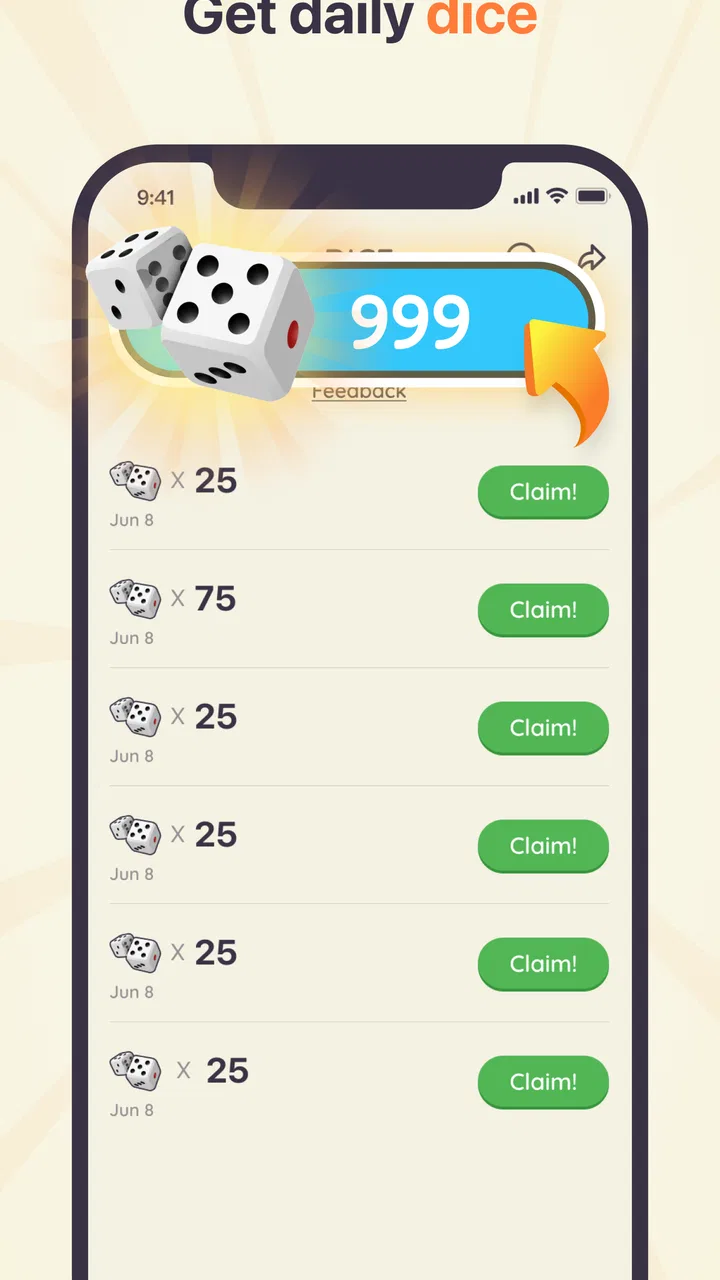
The promise of getting dice connects the sticker activity to the board-game side of the app. That connection gives collecting a practical purpose instead of making it feel like a separate album. I liked that the two parts support each other: stickers are not merely decorative, and dice are not disconnected from the collection effort.
Still, the relationship is intentionally simple. The game’s appeal does not come from a complex economy or a long chain of strategic systems. It comes from understanding that one activity helps feed another. That clarity is useful for new players, but it can also make the long-term experience feel narrower once the basic loop is familiar.
The in-app purchase range runs from $0.99 to $19.99 per item. Because the game is free to start, I would recommend playing normally before spending anything. First, decide whether the collection rhythm is genuinely enjoyable for you. If the activity already feels repetitive without purchases, paying to accelerate it is unlikely to solve the underlying problem. If you enjoy the loop and simply want optional convenience, set a firm personal budget and treat purchases as extras rather than requirements.
This is one of the clearest differences between StickerHub and a physical board game. A boxed game usually asks for its cost upfront and then gives you the complete set of components, while a free mobile game can make progress feel more gradual and offer optional purchases along the way. The mobile format is easier to try, but it requires more self-control around spending and session length.
Version, accessibility, and everyday use
The current version is 3.11.0, and the game runs on Android 7.0 or later. That relatively broad operating-system support makes it practical for people who are not using a recent phone. Before downloading, I would still check that the device has enough free storage and that the operating system meets the requirement, particularly on an older handset.
In daily use, I see the game working best as a short routine. Imagine finishing a work or school break and opening it for a few minutes. You can inspect the collection, identify one realistic target, and look for a trade that moves you toward it. That is more satisfying than tapping through everything without a plan, because the session has a clear beginning and end.
For a group of friends, the app can also become a lightweight conversation starter. One person may have a duplicate another person needs, while someone else may be focused on a completely different collection. The exchange system gives the group a reason to compare progress without requiring everyone to sit down for a full board-game session.
For children, the Everyone rating makes the concept approachable, but I would still encourage adults to explain the difference between free play and optional purchases. The collection format can make a limited item feel urgent, and younger players may not naturally distinguish between wanting faster progress and needing it. A simple spending rule is more useful than assuming the game’s friendly presentation will remove every temptation.
Who should choose it, and who should skip it?
I would recommend this game to players who enjoy sticker albums, gradual completion, light board-game mechanics, and social exchanges. It is particularly suitable for someone who wants a free starting point and prefers returning for short sessions rather than committing to a long match. It also suits players who like making small optimization decisions without learning a large ruleset.
I would be more cautious about recommending it to people who want a strong story, a fully offline experience, or deep tactical control. Those players may get more from a traditional board-game adaptation, a puzzle game with fixed challenges, or a strategy title where every result depends primarily on deliberate decisions. The uncertainty connected to dice and the gradual pace can be charming, but they can also feel limiting.
Another group that may want to skip it is anyone who knows they become frustrated by incomplete collections. The design naturally highlights what is missing, which is motivating for some players and irritating for others. If an unfinished set creates more pressure than satisfaction, the central loop may work against your enjoyment.
My final view of the atmosphere and mechanics
What I appreciate most is the coherence between the game’s visual identity, its collecting theme, and its relaxed rhythm. The sticker presentation gives progress a visible shape, trading supplies a social reason to care about duplicates, and dice connect that collection work to the board-game structure. None of these elements tries to become a completely different genre, so the experience maintains a consistent mood.
The limitations are equally clear. This is not a replacement for a deep tabletop strategy game, and its repeated routine will not appeal to everyone. The free entry point is welcoming, but optional purchases mean I would play with a spending boundary. The social trading angle adds personality, yet it may be less attractive to someone who wants a strictly self-contained solo game.
With an average rating of 4.7 from around eighty-seven thousand ratings and over a million installs, the game has clearly connected with many casual players. My own recommendation is more specific: try it if the idea of building collections, making selective trades, and earning dice sounds satisfying. The best way to enjoy it is to treat each session as a small collecting decision, not as a race to finish everything immediately.
As a free board game from Meta Innovation, StickerHub - GO Sticker succeeds when its gentle pace matches your habits. I would keep it installed for relaxed check-ins, social exchanges, and the pleasure of watching a collection take shape. I would look elsewhere for dramatic storytelling, intense competition, or complete control over every outcome. For the right player, though, its modest mechanics and scrapbook-like mood fit together neatly.
FAQs for StickerHub - Sticker Exchange
01What is StickerHub - GO Sticker and how does it work?
StickerHub - GO Sticker is an app designed to enhance your messaging experience by providing a vast library of stickers and emojis for use in popular messaging apps. Once installed, users can browse through various categories, download their favorite stickers, and seamlessly integrate them into conversations to add flair and personality.
02Is StickerHub - GO Sticker free to use, or are there any in-app purchases?
StickerHub - GO Sticker is free to download and use, providing access to a wide range of sticker packs. However, the app may offer additional premium sticker packs and features available for purchase. Users can choose to upgrade to these premium options if they desire more exclusive content.
03How can I add stickers from StickerHub - GO Sticker to my messaging app?
After downloading StickerHub - GO Sticker, navigate through the app to find stickers you like. Once selected, you can add them to your messaging app directly from the StickerHub interface. The app supports integration with popular messaging services, ensuring a smooth transfer of stickers into your chats.
04Is StickerHub - GO Sticker compatible with all messaging apps?
StickerHub - GO Sticker is compatible with most major messaging platforms, including WhatsApp, Telegram, and Facebook Messenger. While it supports these popular apps, users should check specific compatibility with lesser-known messaging services to ensure seamless sticker integration.
05Are there any privacy concerns when using StickerHub - GO Sticker?
StickerHub - GO Sticker is designed with user privacy in mind, and it does not collect personal data beyond what is necessary for app functionality. Users should review the app’s privacy policy to understand what data is collected and how it is used, ensuring they are comfortable with its terms.
Pros
- Extensive sticker library available.
- Easy-to-use interface for quick access.
- Regular updates with new stickers.
- Customization options for unique stickers.
- Compatible with major messaging apps.
Cons
- Contains in-app purchases.
- Ads can be intrusive at times.
- Requires internet for full features.
- Limited free sticker packs.
- Some stickers lack high resolution.

StickerHub - Sticker Exchange
Gallery